Home / Lifestyle
Lifestyle
Everyday rhythms, seasonal living, and the texture of a well-tended life — the full sweep of what it means to live with care in modern Japan.
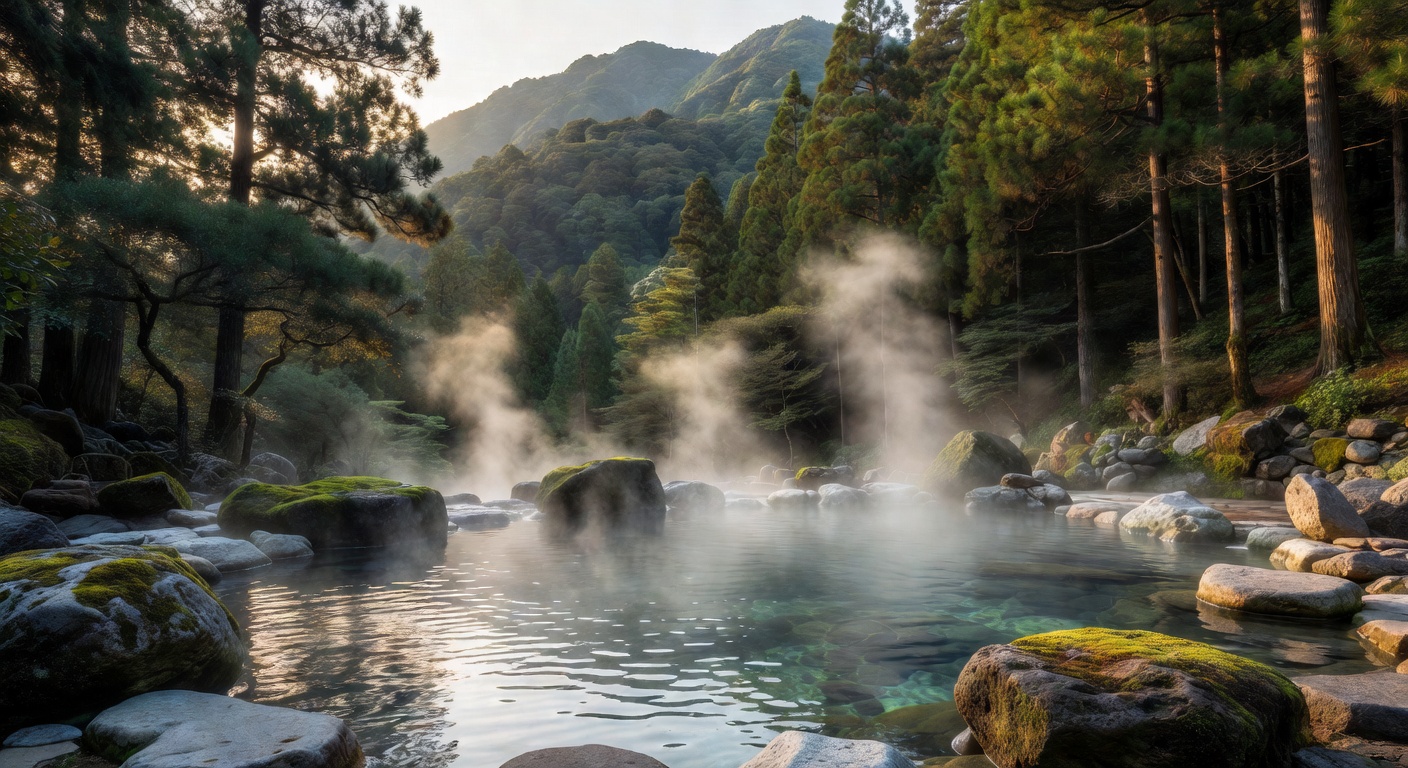
In Japan, the practice of bathing in a hot spring is not simply about cleanliness or relaxation. It is a social ritual, a seasonal practice, and — for many people — one of the most reliable forms of genuine rest available in a busy life. What can the onsen tradition teach us about making space for recovery?
Read this article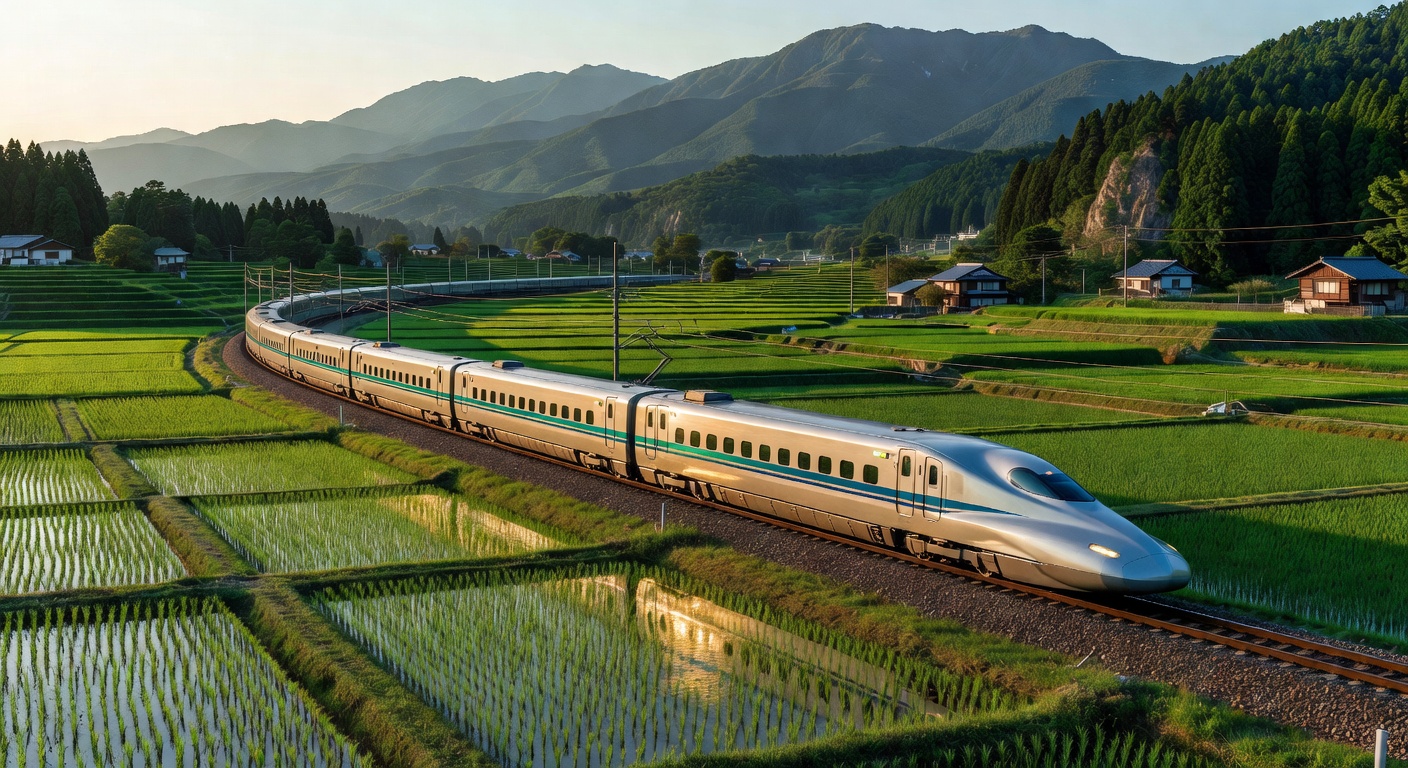
Japan's high-speed rail network is famous worldwide for its punctuality. But the deeper lesson of the Shinkansen is not about trains — it is about what it means to respect other people's time, and your own.
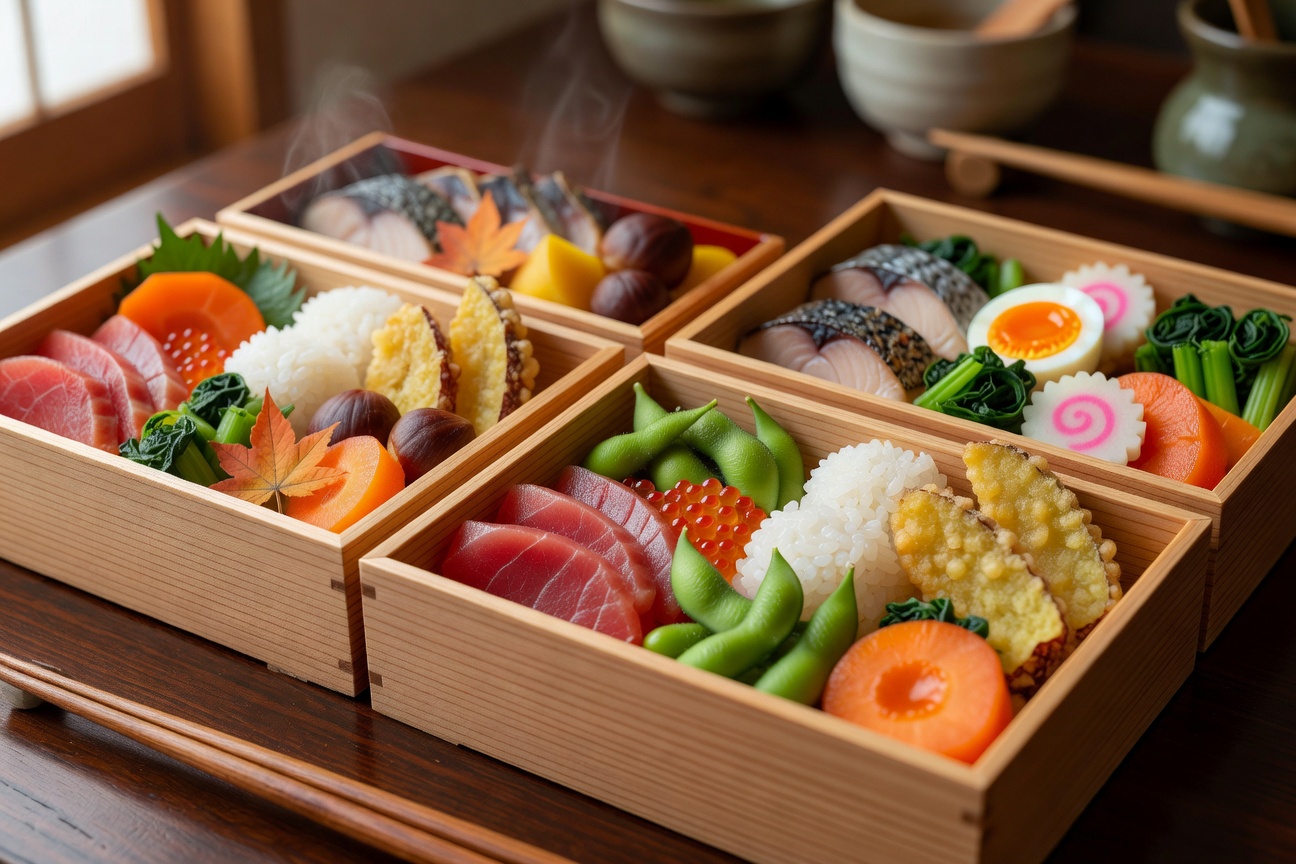
A well-prepared bento is one of the most quietly radical things you can carry through the day. It says: I made time for this. I thought about what I needed. I prepared.
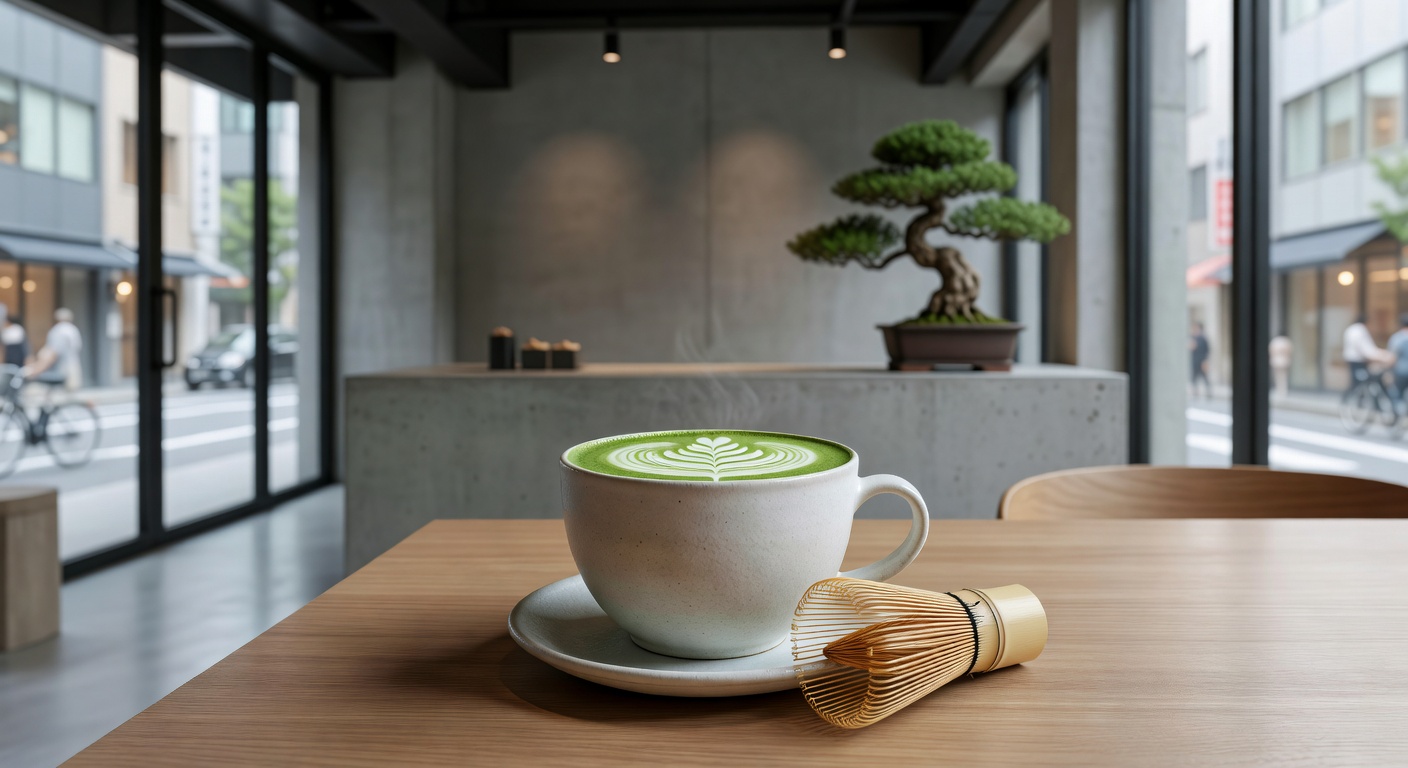
The hours between waking and noon hold more possibility than we realise. In Japan, the morning is treated as sacred — a time for intention, not urgency.
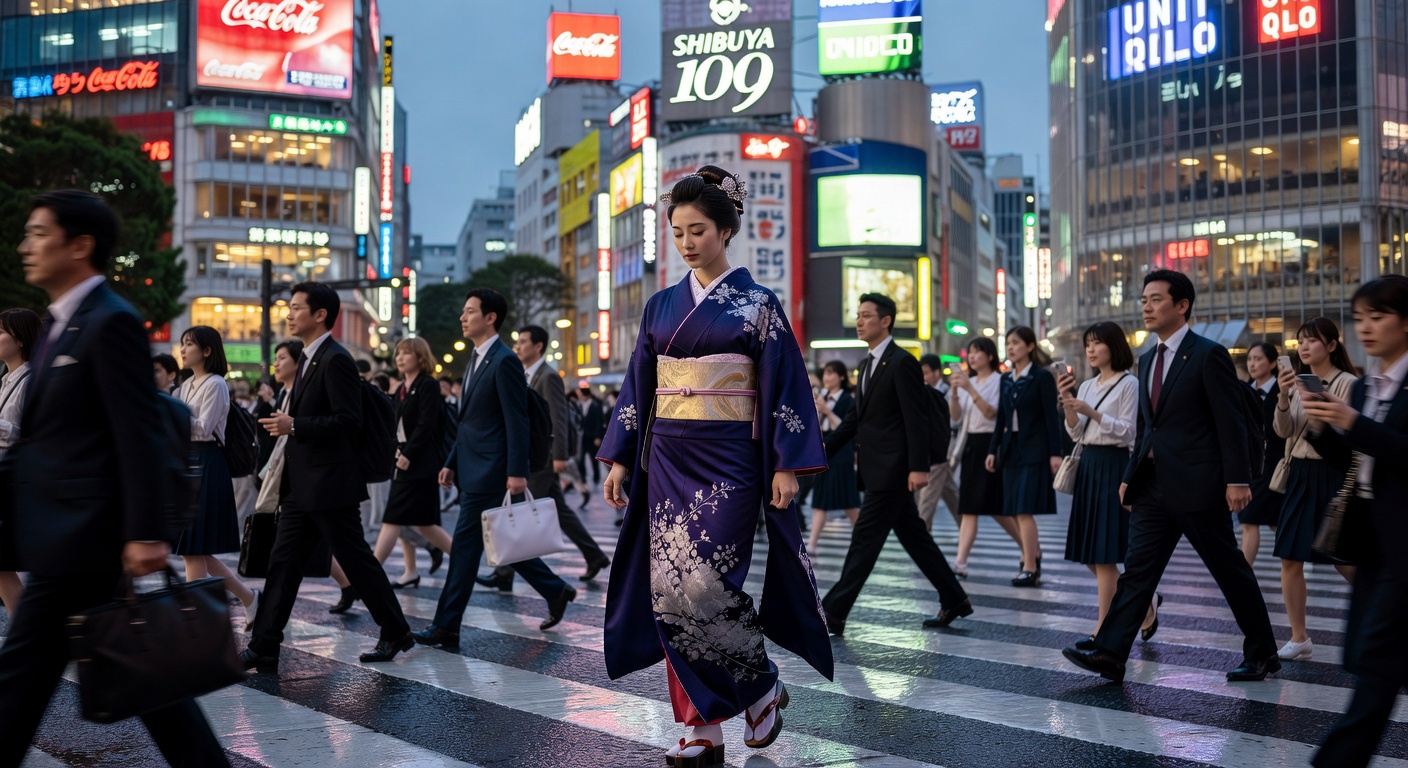
The kimono is not a museum piece. For a growing number of Japanese people, it is a deliberate choice — a way of carrying history into the present with intention and grace.
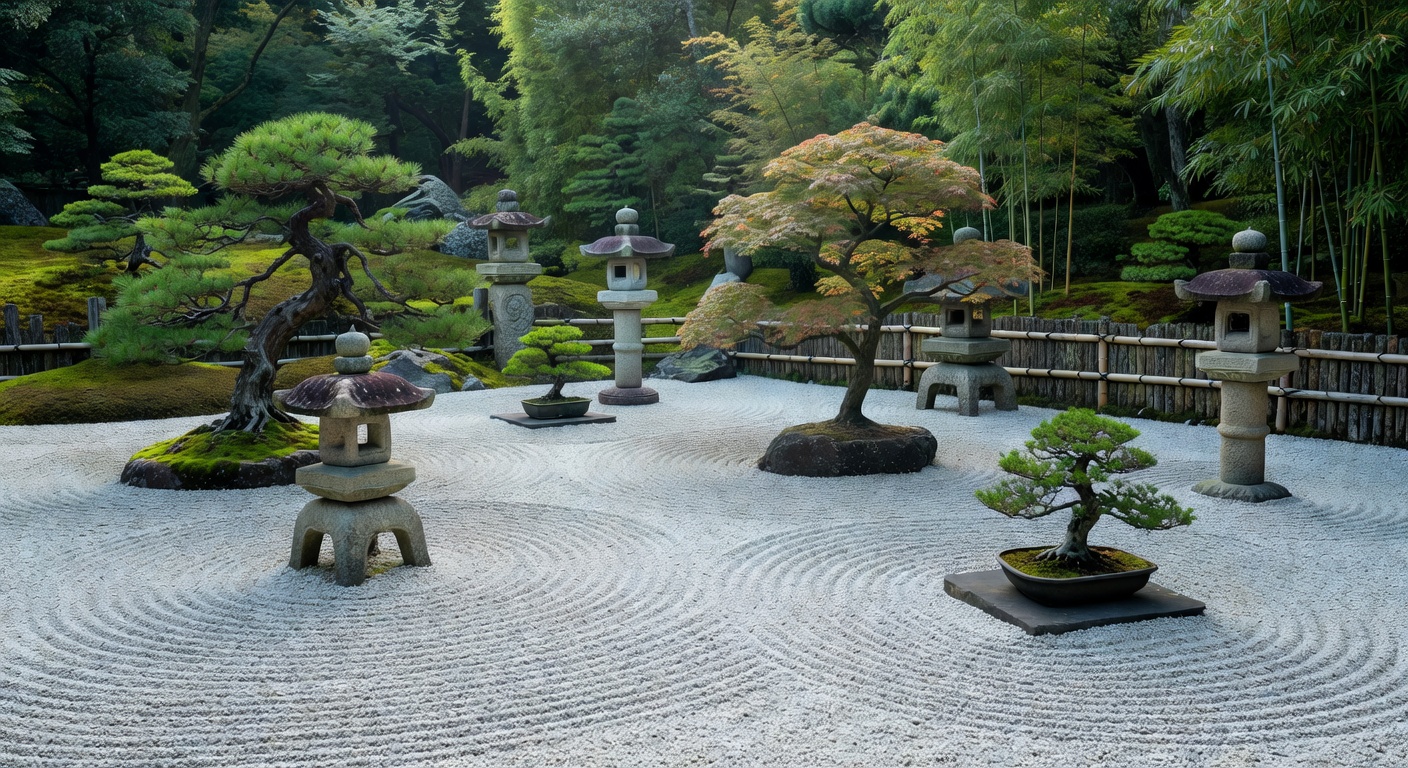
Japan's approach to interior design is not about having less for the sake of it. It is about choosing what stays — and making each object worth the space it occupies.
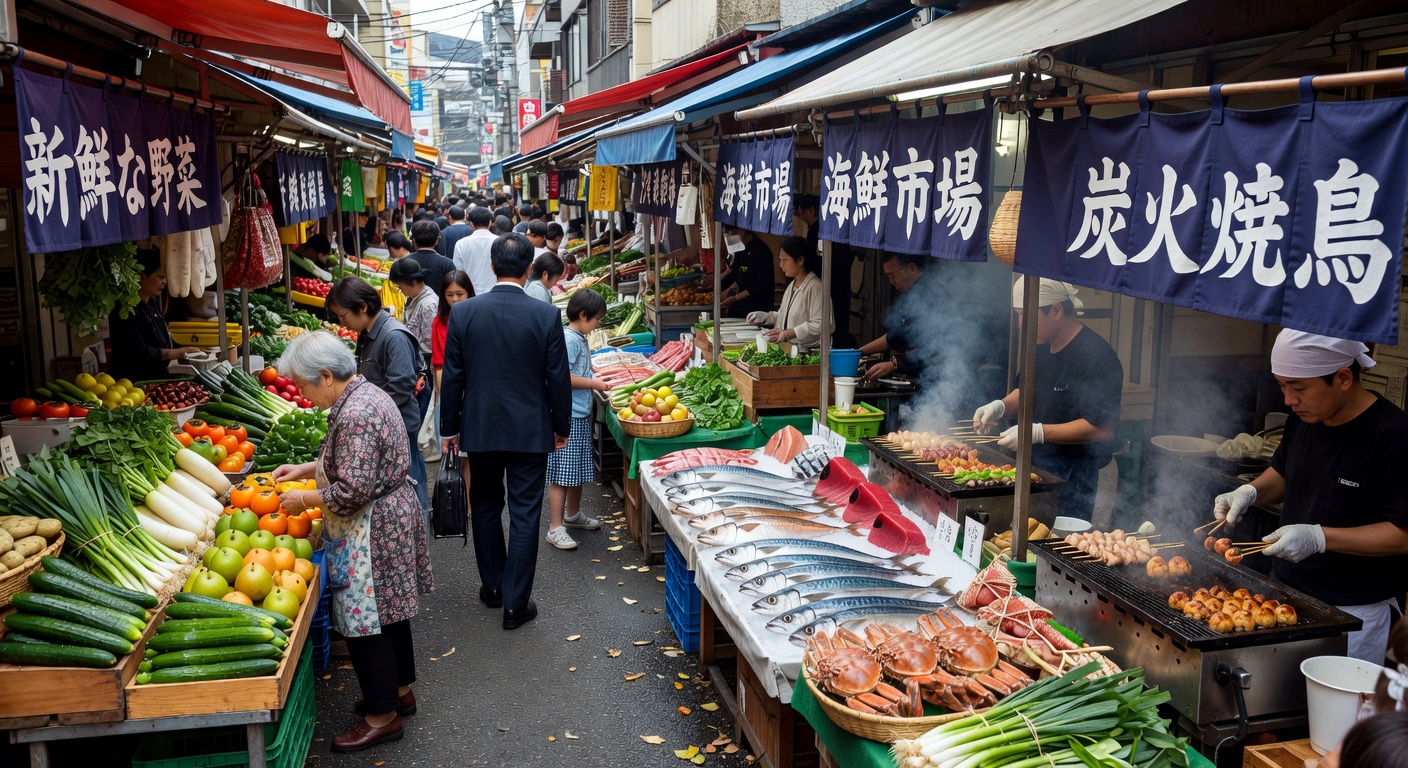
In the age of online delivery, the local market might seem beside the point. But those who still visit them regularly describe something that delivery boxes cannot replicate: the feeling of being known.
From morning routines to evening rituals, our Daily Habits section explores the small repeated choices that shape how a life feels from the inside.
Browse Daily Habits